
FINANCIAL BUDGET MANAGEMENT SUITE
Designing seven financial budget management products from 0 to 100, contributing to 6x revenue growth.
ClearGov builds financial budget management software for local governments, helping cities, towns, and counties plan, budget, and report with tools built specifically for the public sector.
When I joined, the product was early-stage and the design function was nonexistent. What followed was five years of building seven products from the ground up, establishing the design system that held them together, and watching a company grow 6x in the process.
My Role: I led all UX and product design across the ClearGov platform. Working directly with the CEO and Founder in the early years and later with product managers across the suite, I owned the work from initial research through UI delivery and user testing; while building the design system and patterns that scaled across every product we shipped.
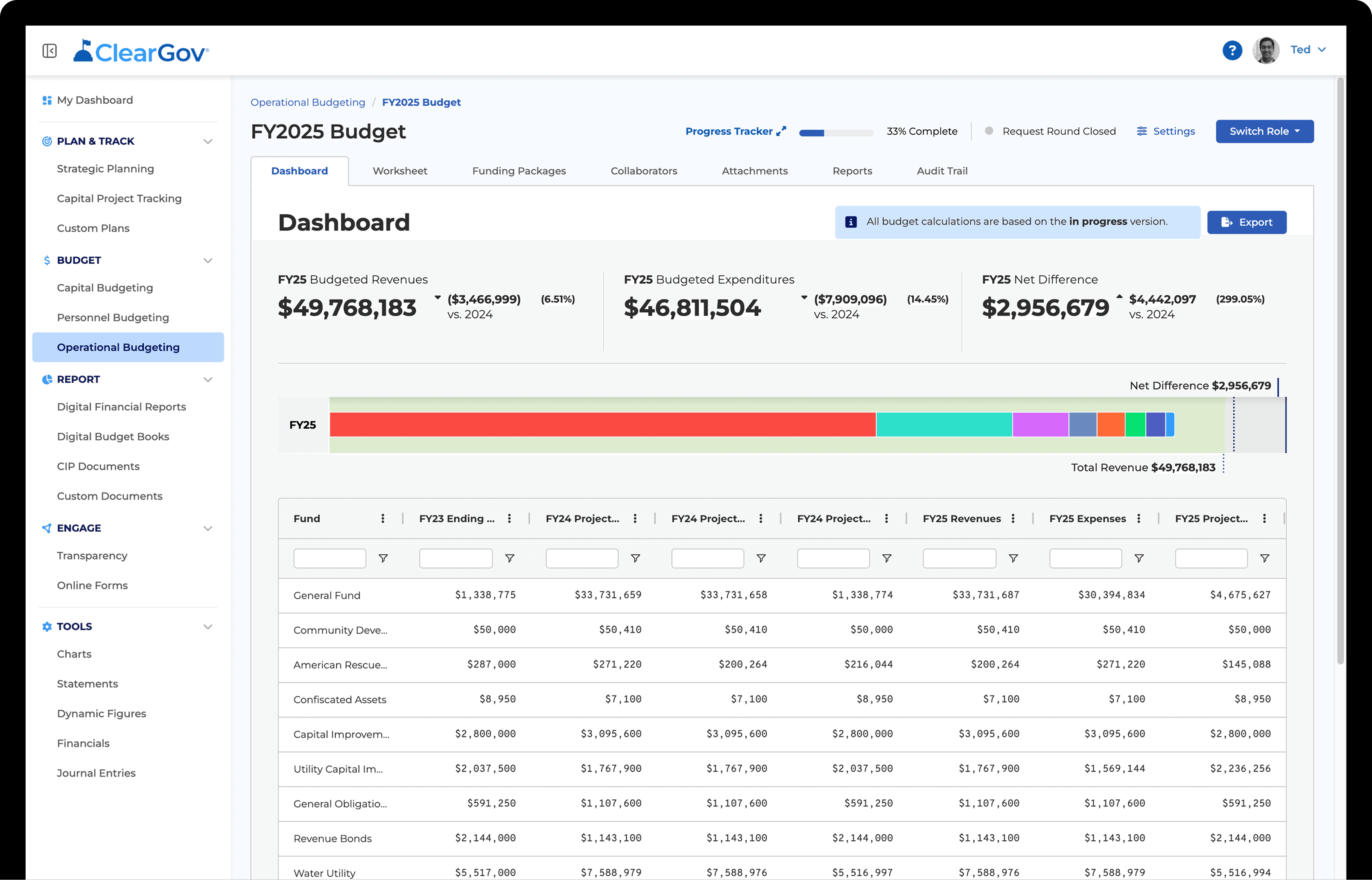
How It Started
There was no design system. No component library. No established patterns. No other designers.
In those early years, the collaboration was direct. Working closely with the CEO and Founder, we'd work through product philosophy, feature sets, and MVPs together, moving from sketches to wireframes to high fidelity, running client interviews to pressure-test ideas as we went. The feedback loop was short and the decisions were real.
That context shaped everything that followed. When you're the only designer in the room, you're not just solving the problem in front of you. You're making structural decisions that will either compound well or compound badly as the product grows.
Some of our decisions held up. Some didn't. That's part of the story too.
The Products
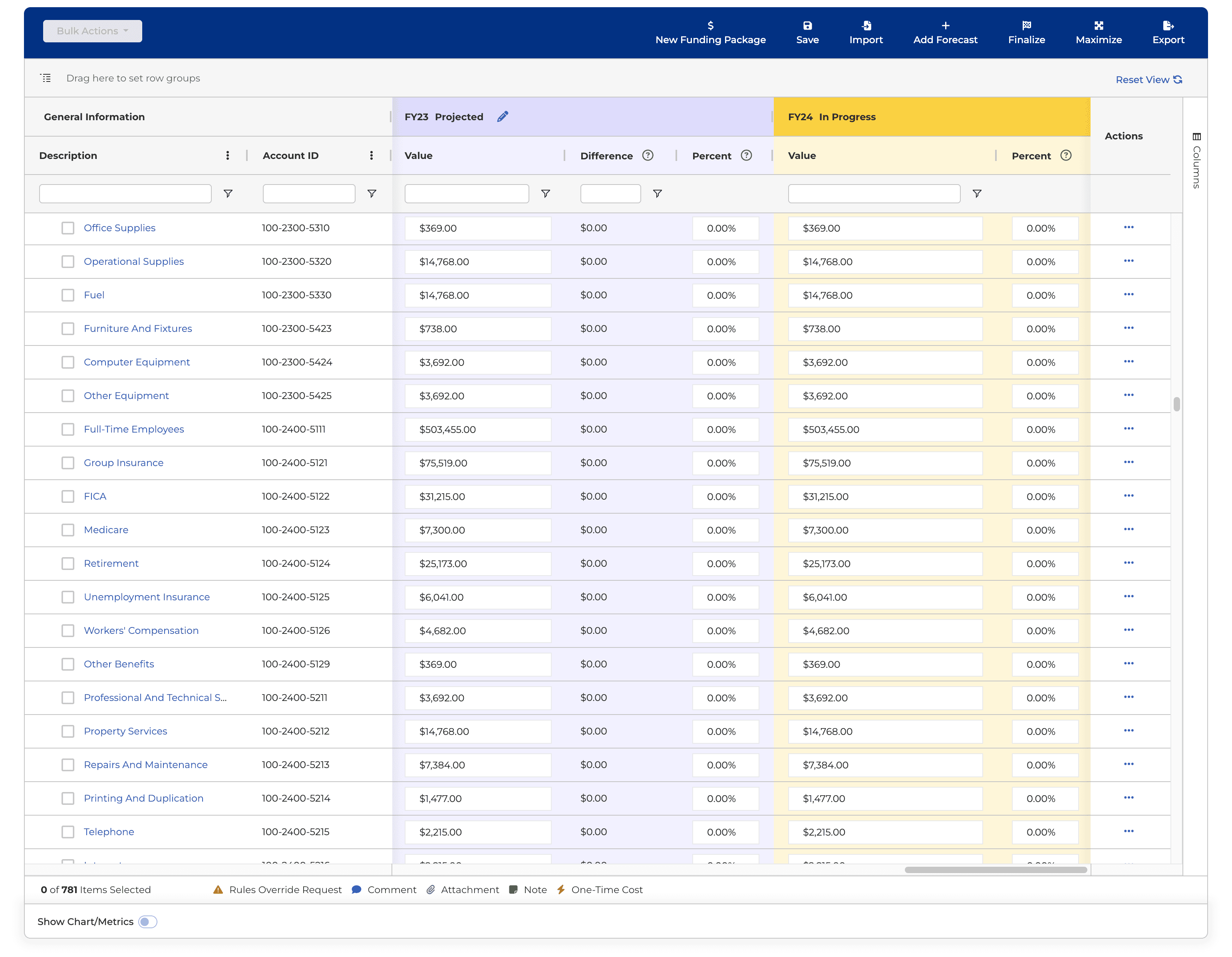
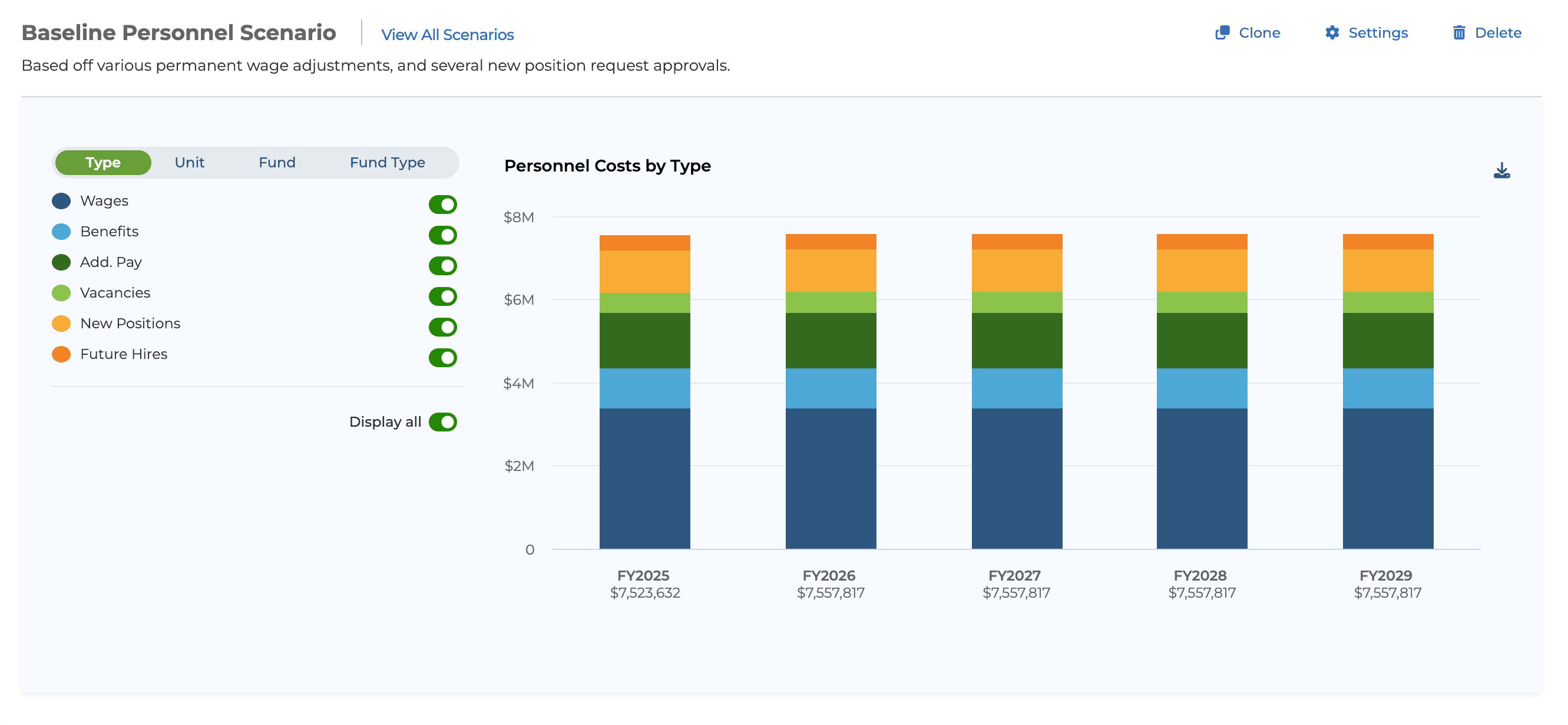
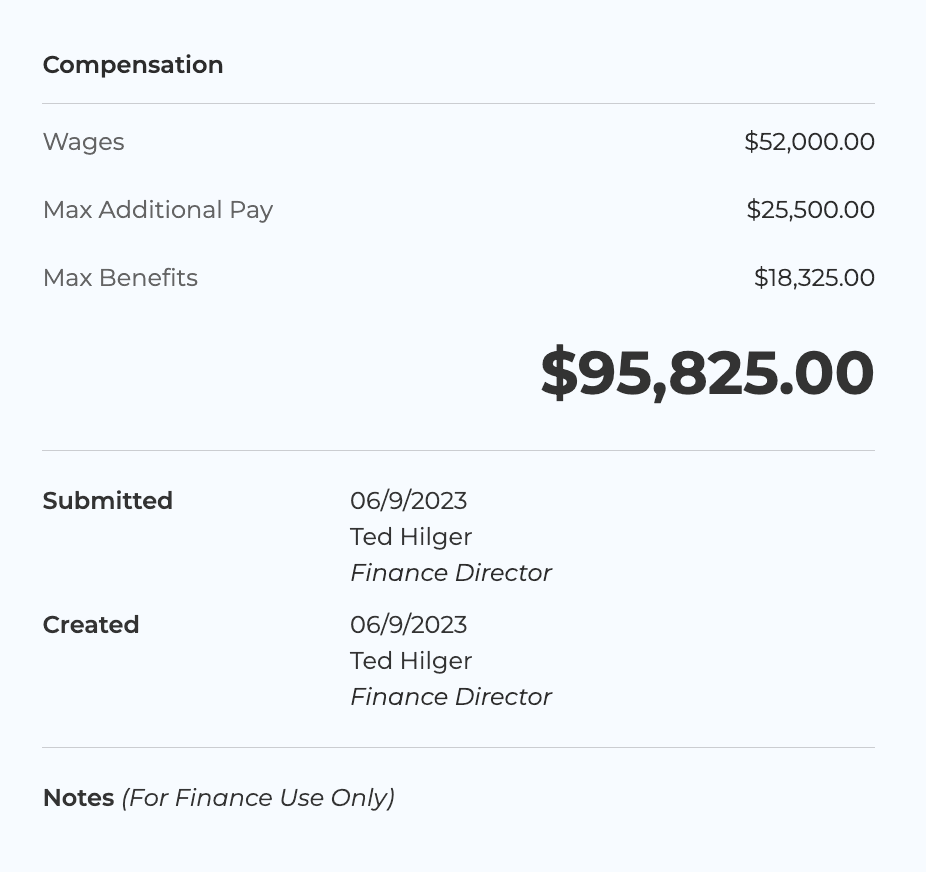
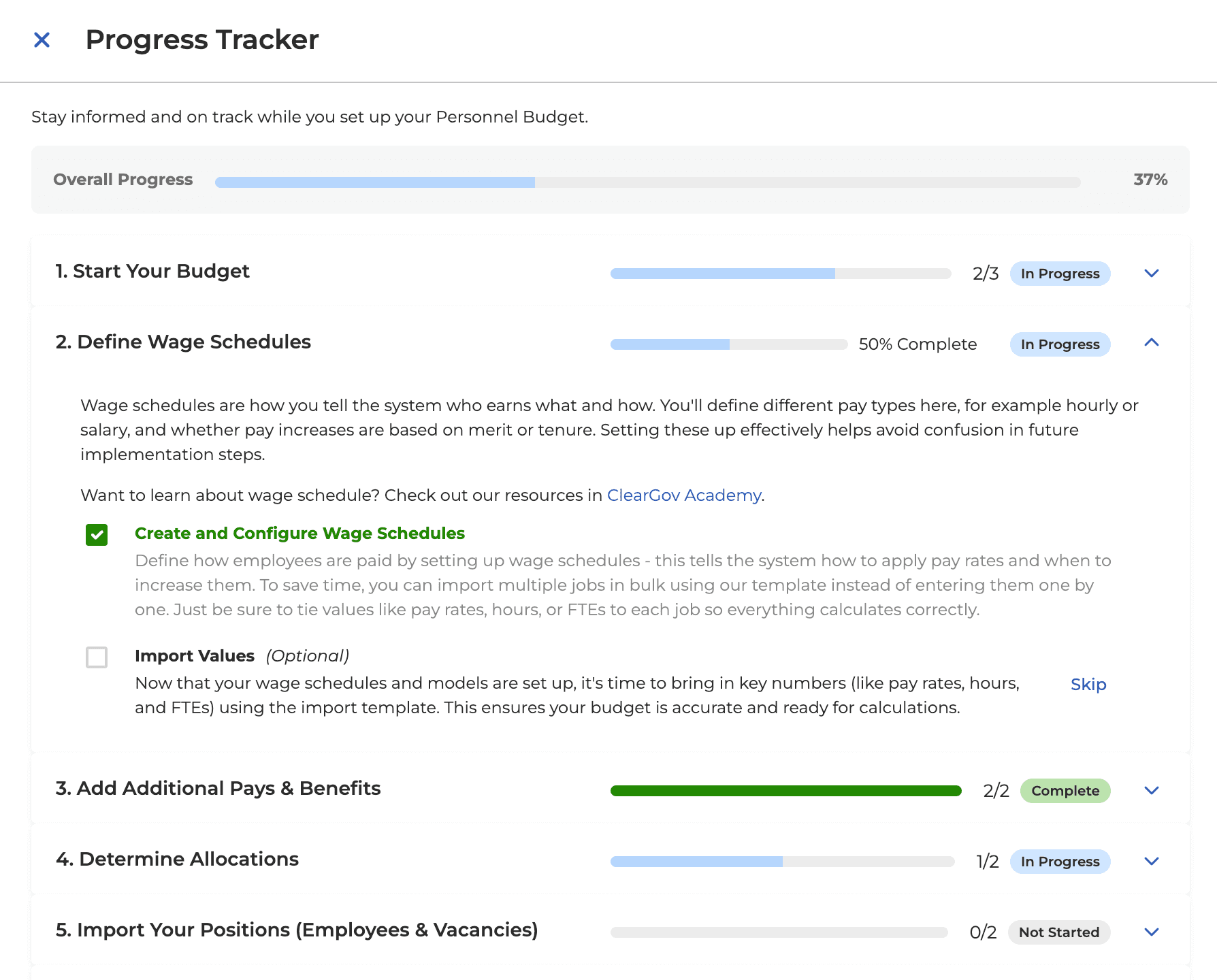
Government finance teams manage a surprisingly complex annual cycle, from strategic planning and budget requests through public reporting and capital project tracking. These products were designed to cover that entire journey.
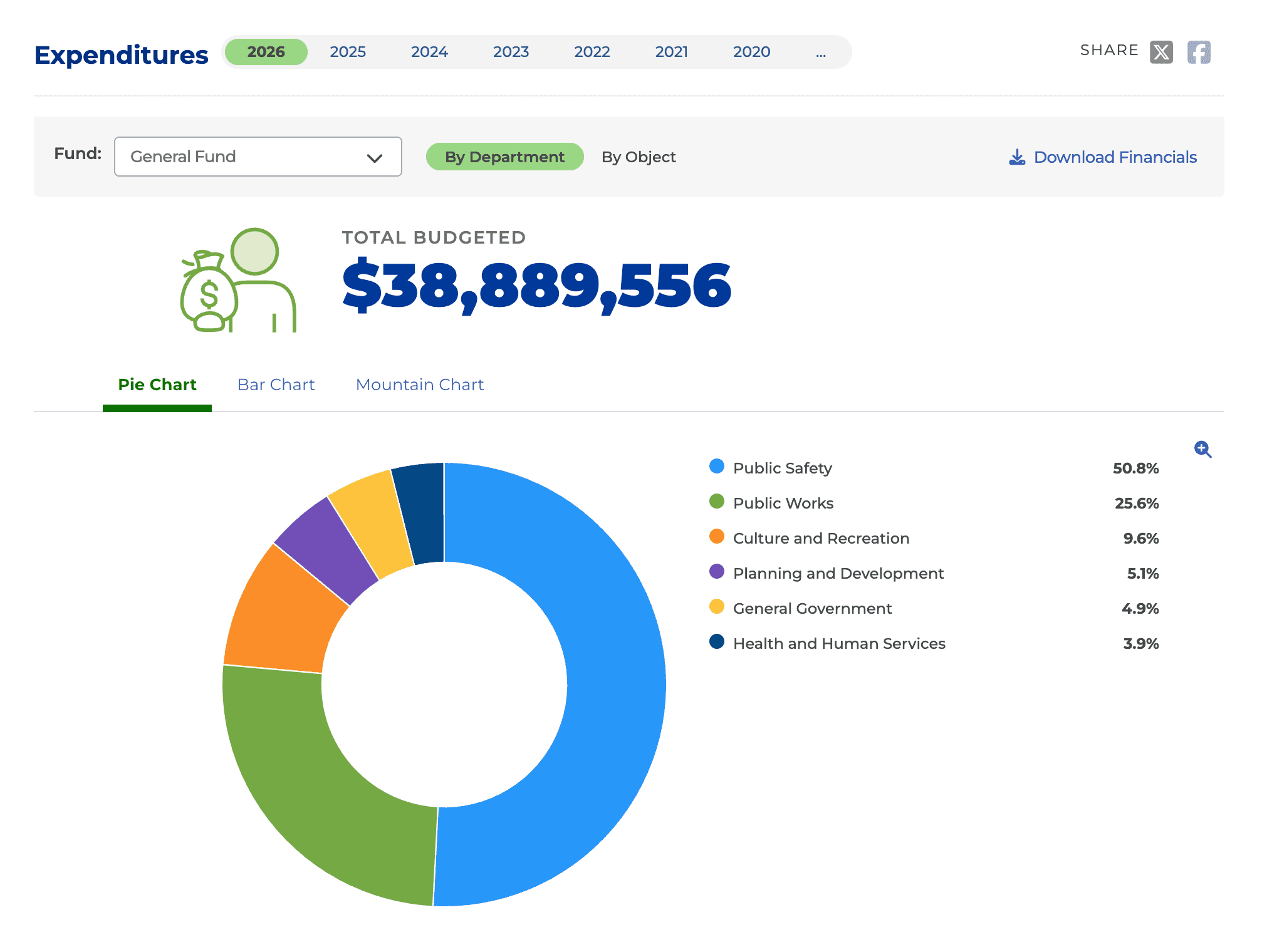
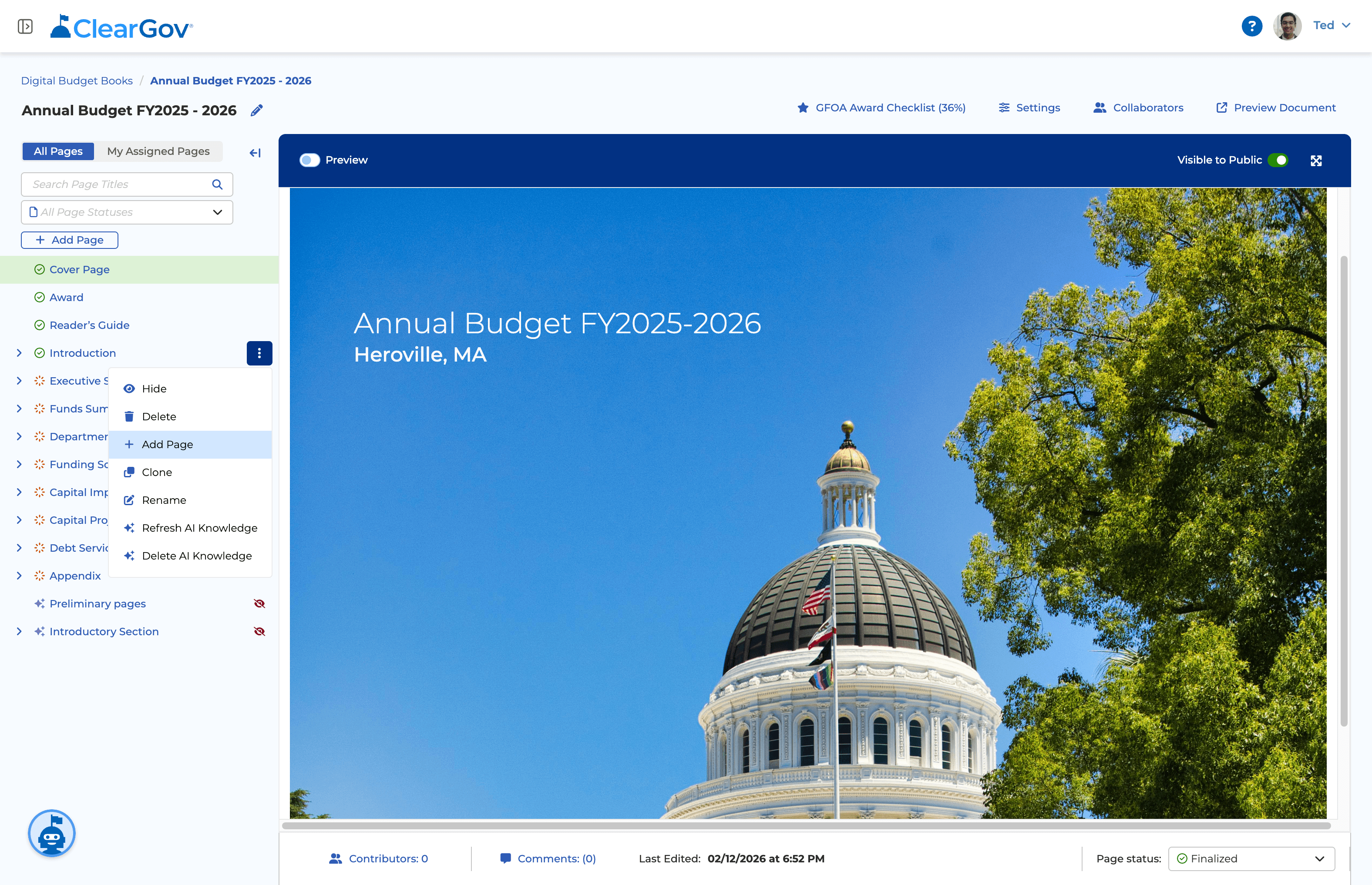
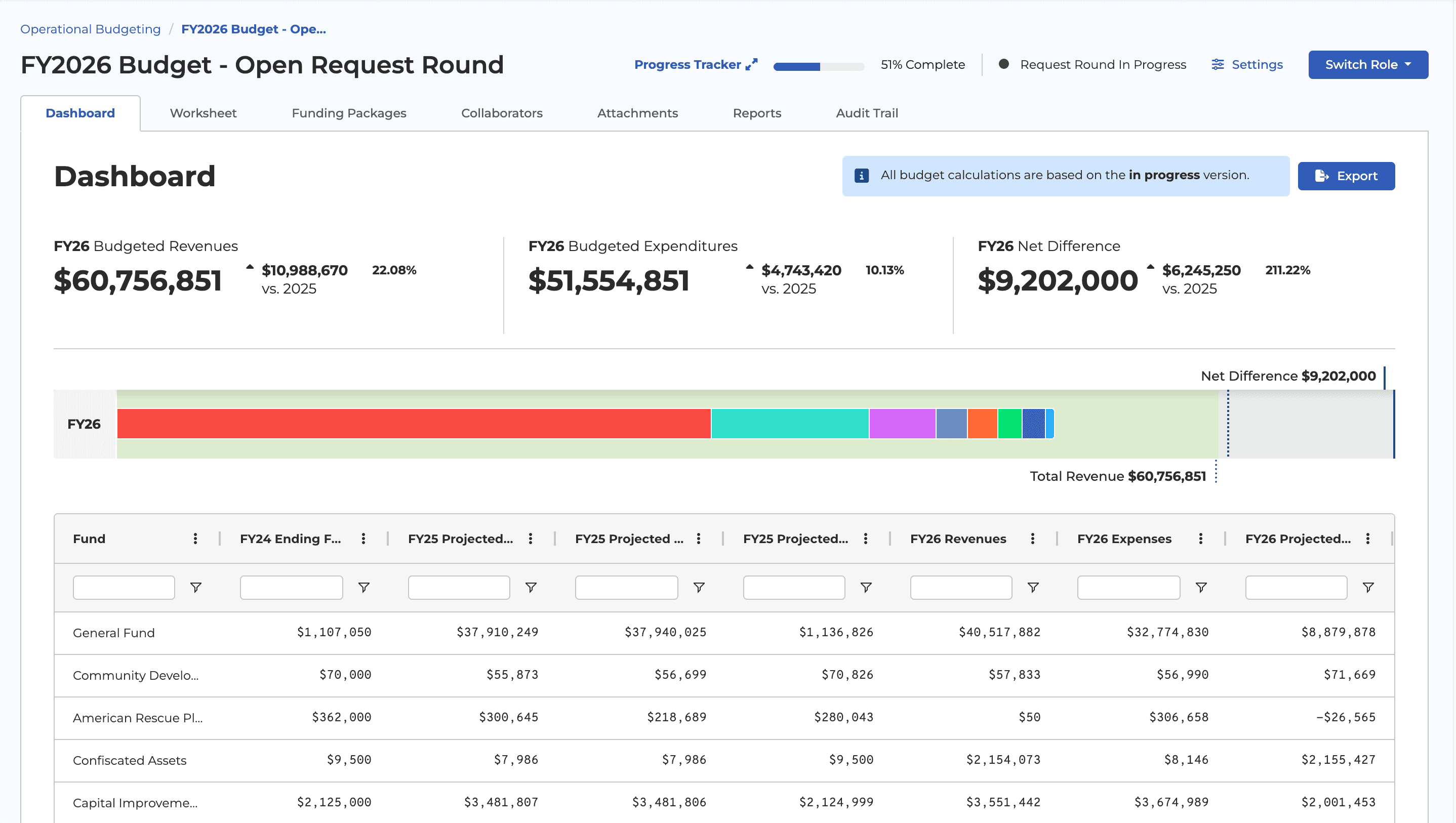
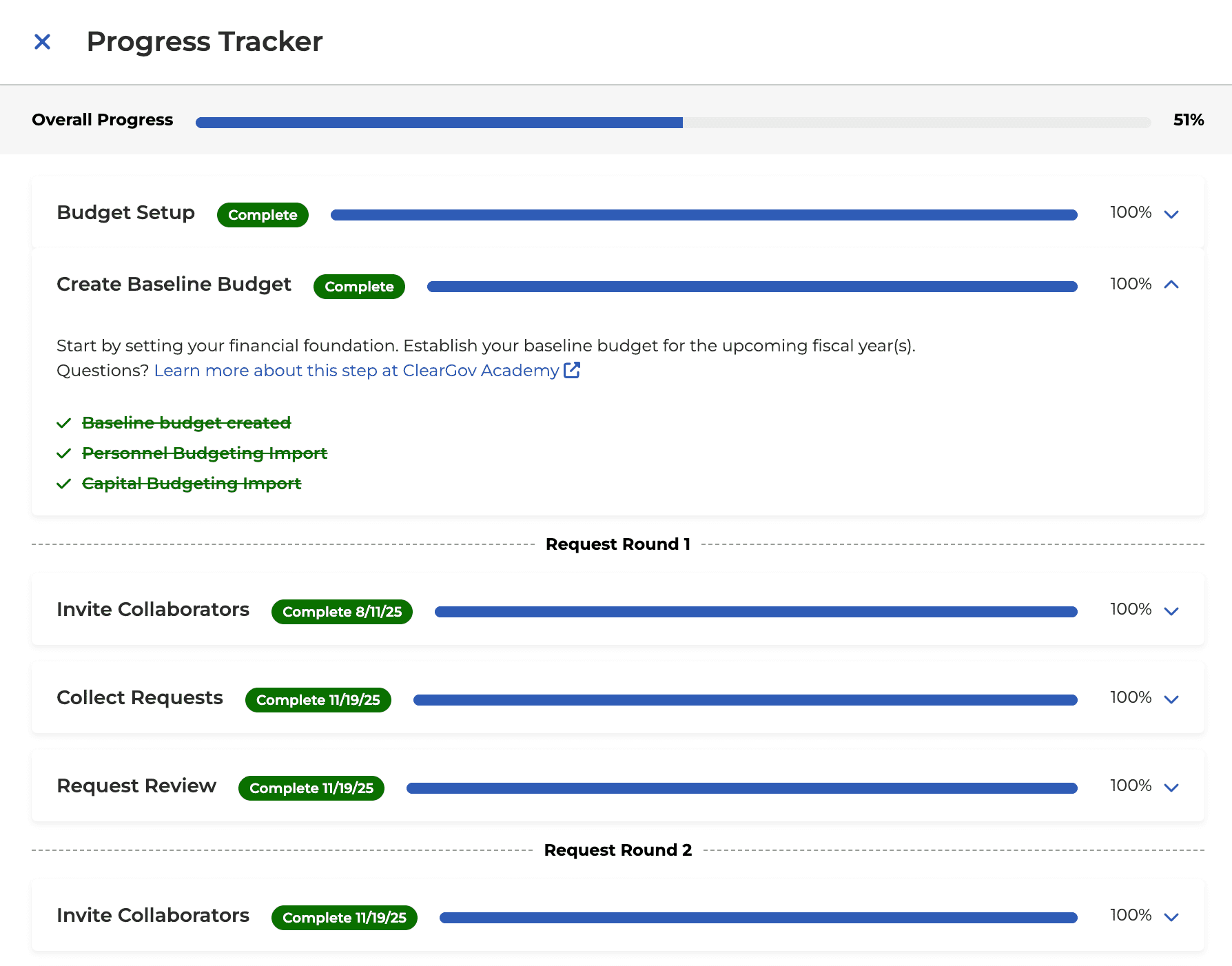
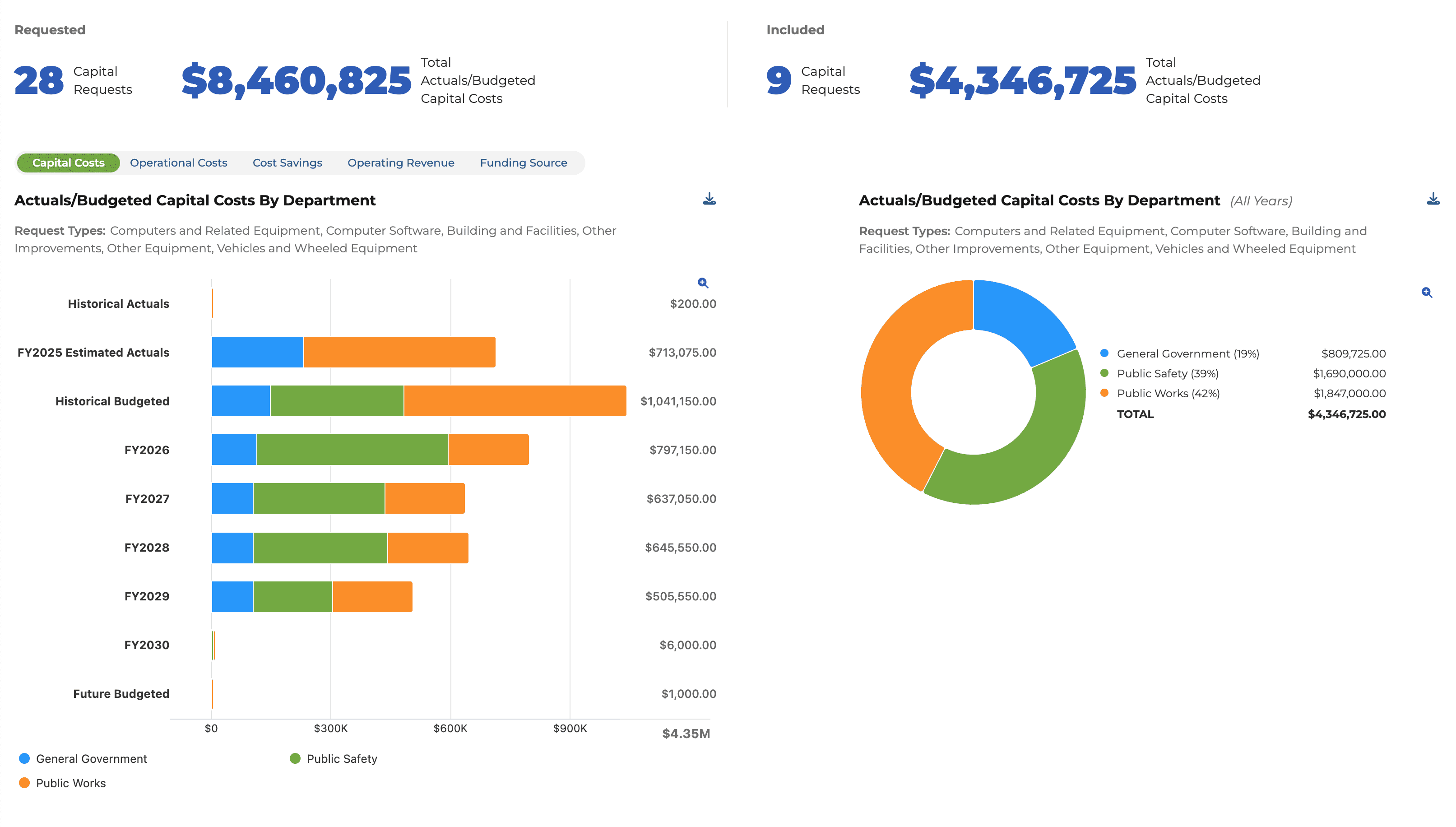
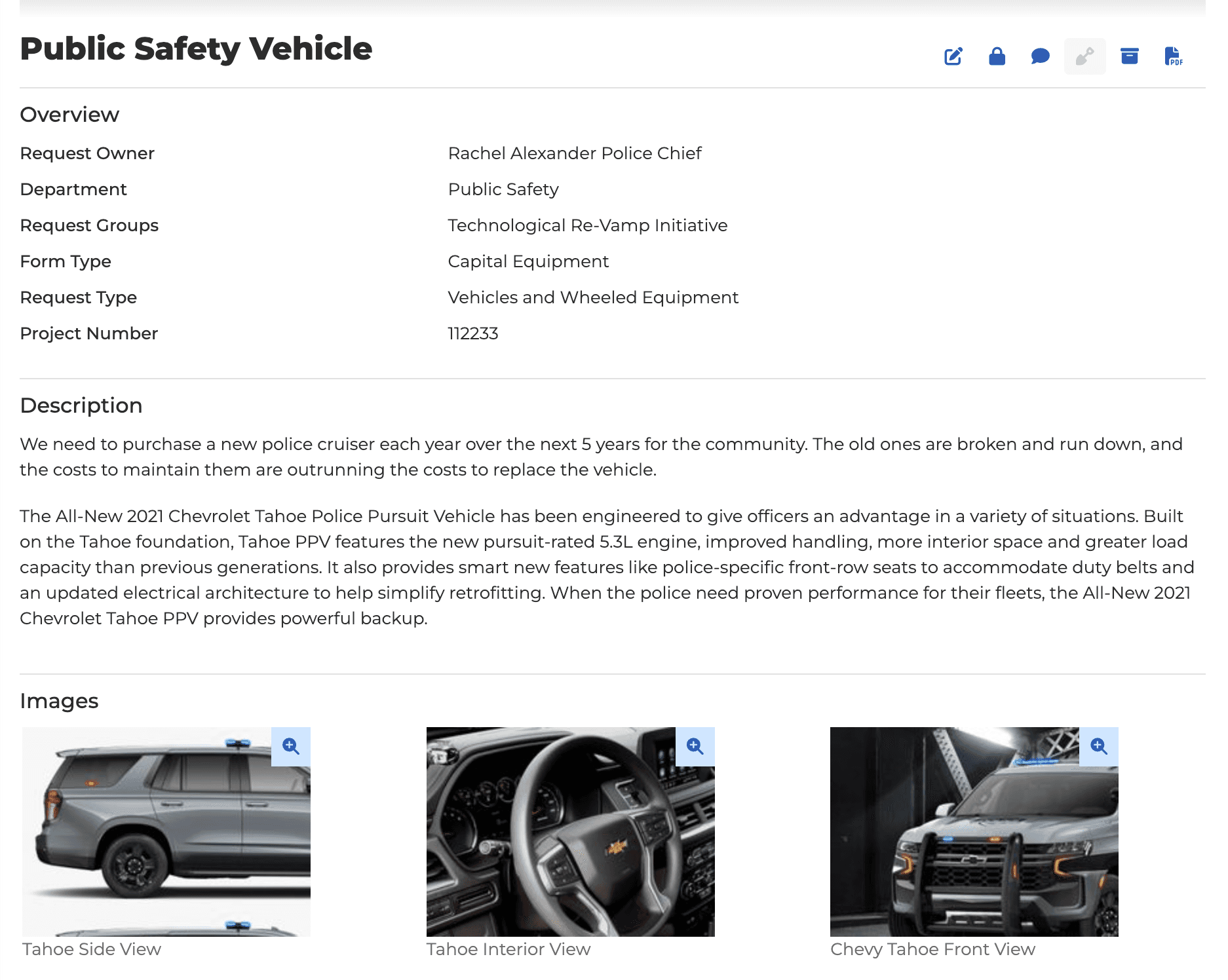
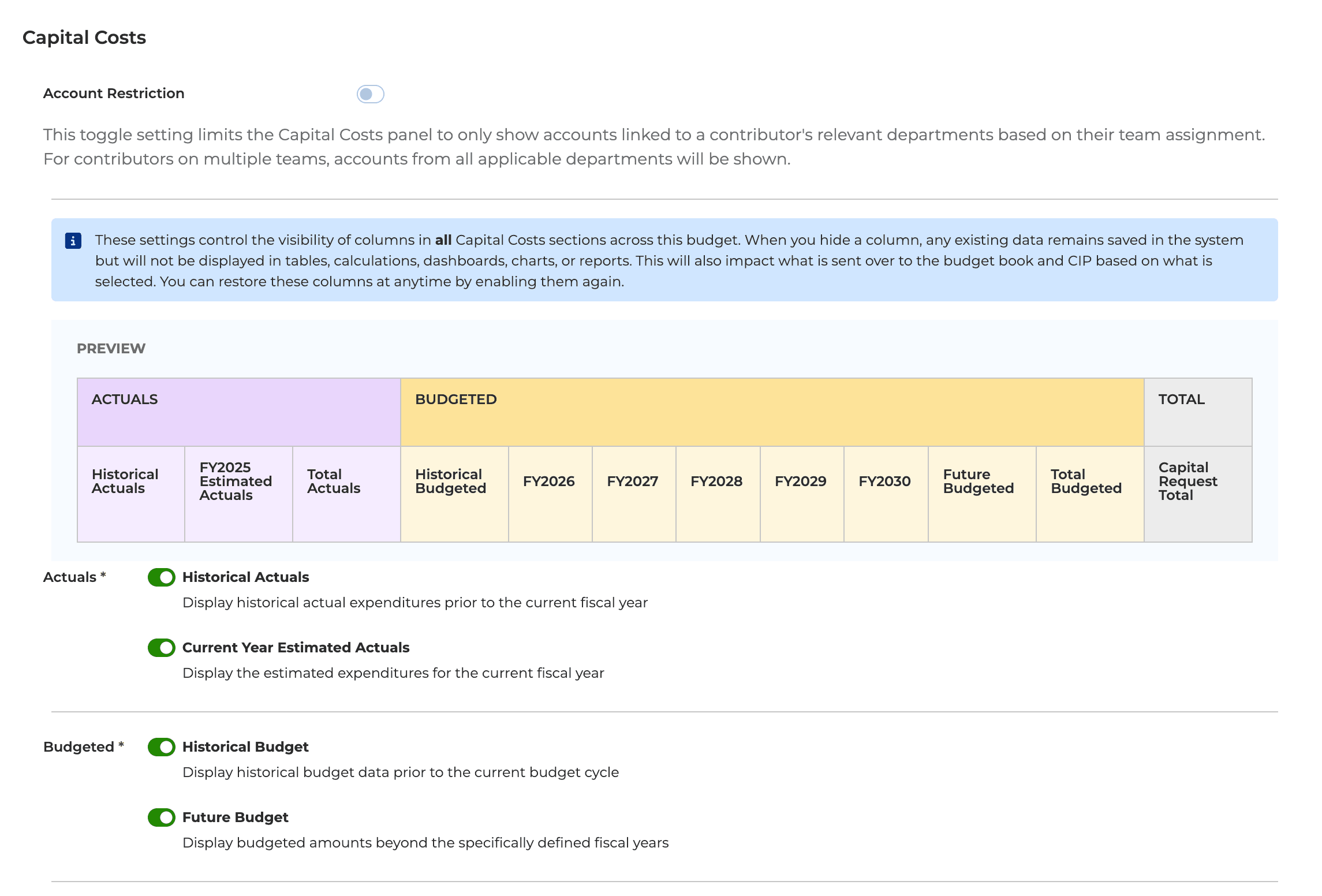
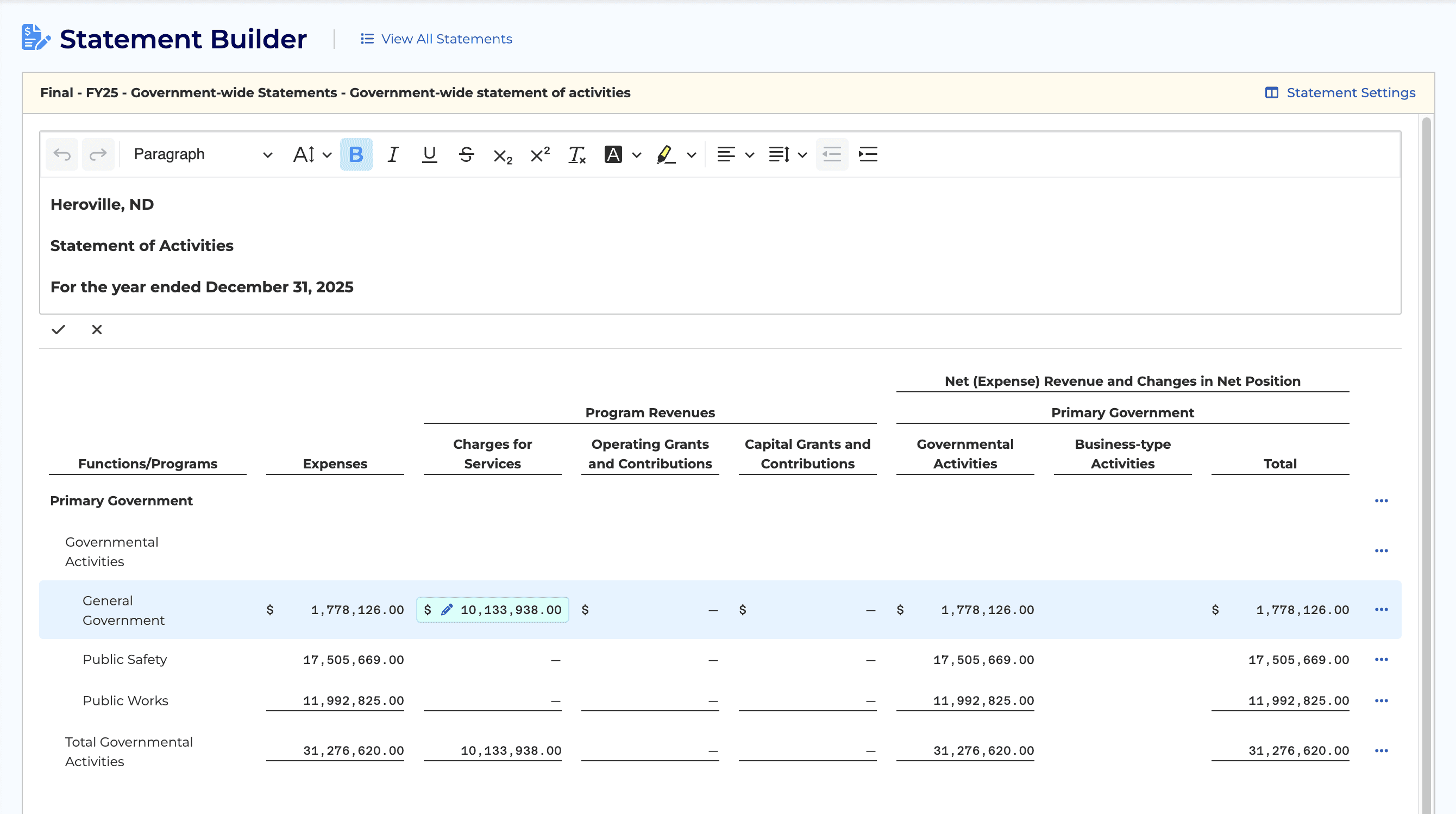
Strategic Planning
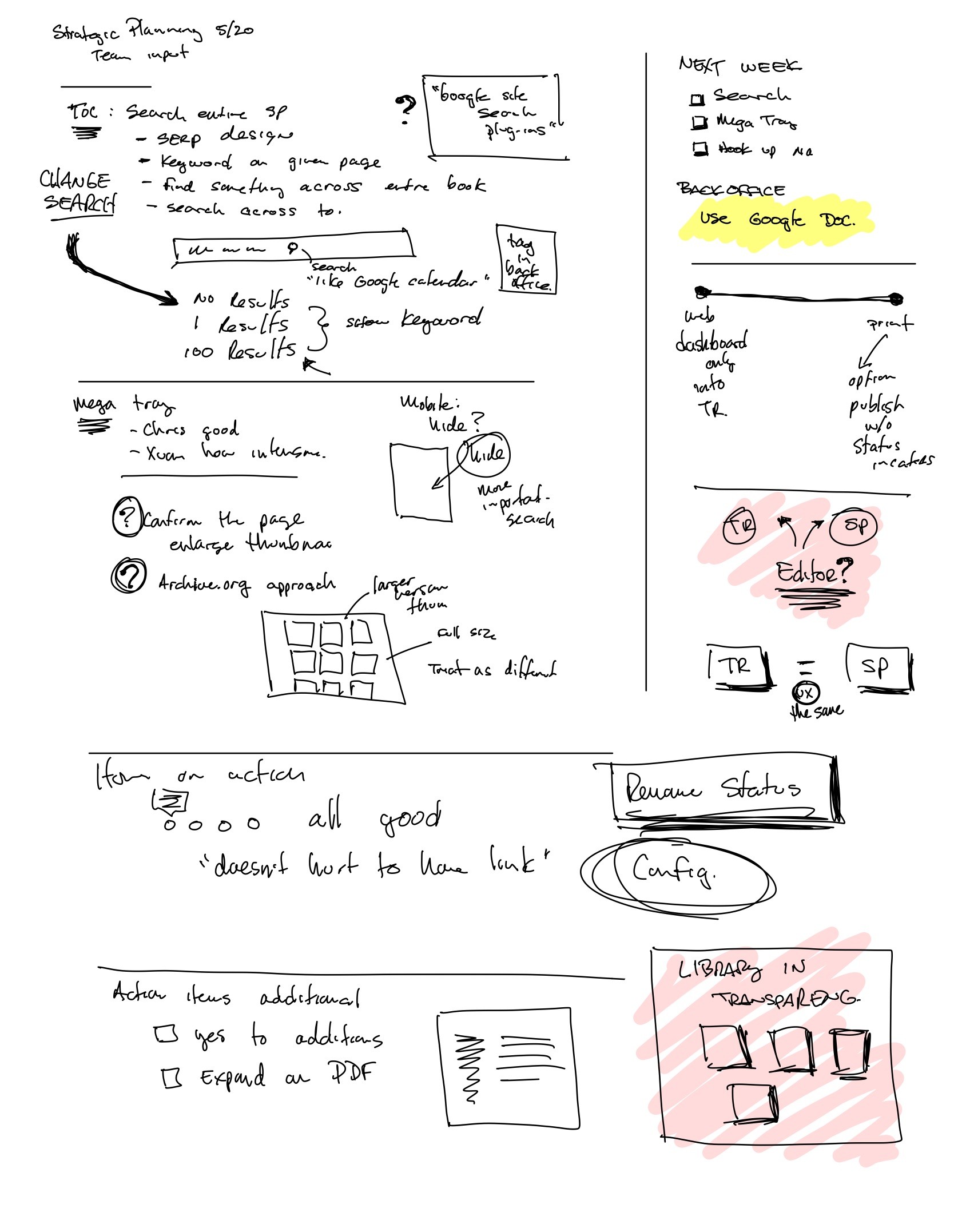
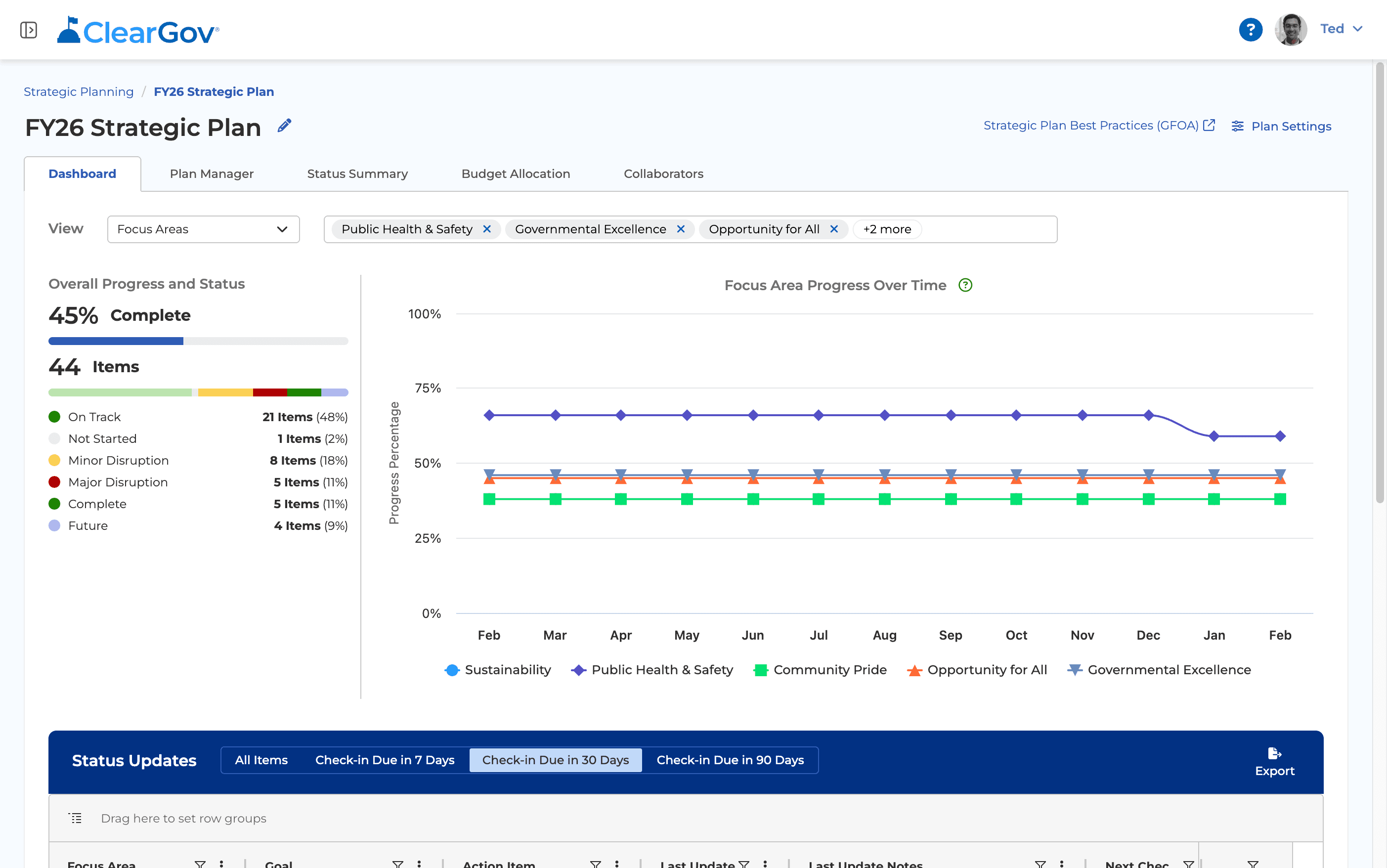
Connecting a city's long-term strategic goals to its annual budget is harder than it sounds. Most government teams were managing their strategic plans in PowerPoint or spreadsheets, completely disconnected from the financial decisions being made elsewhere.
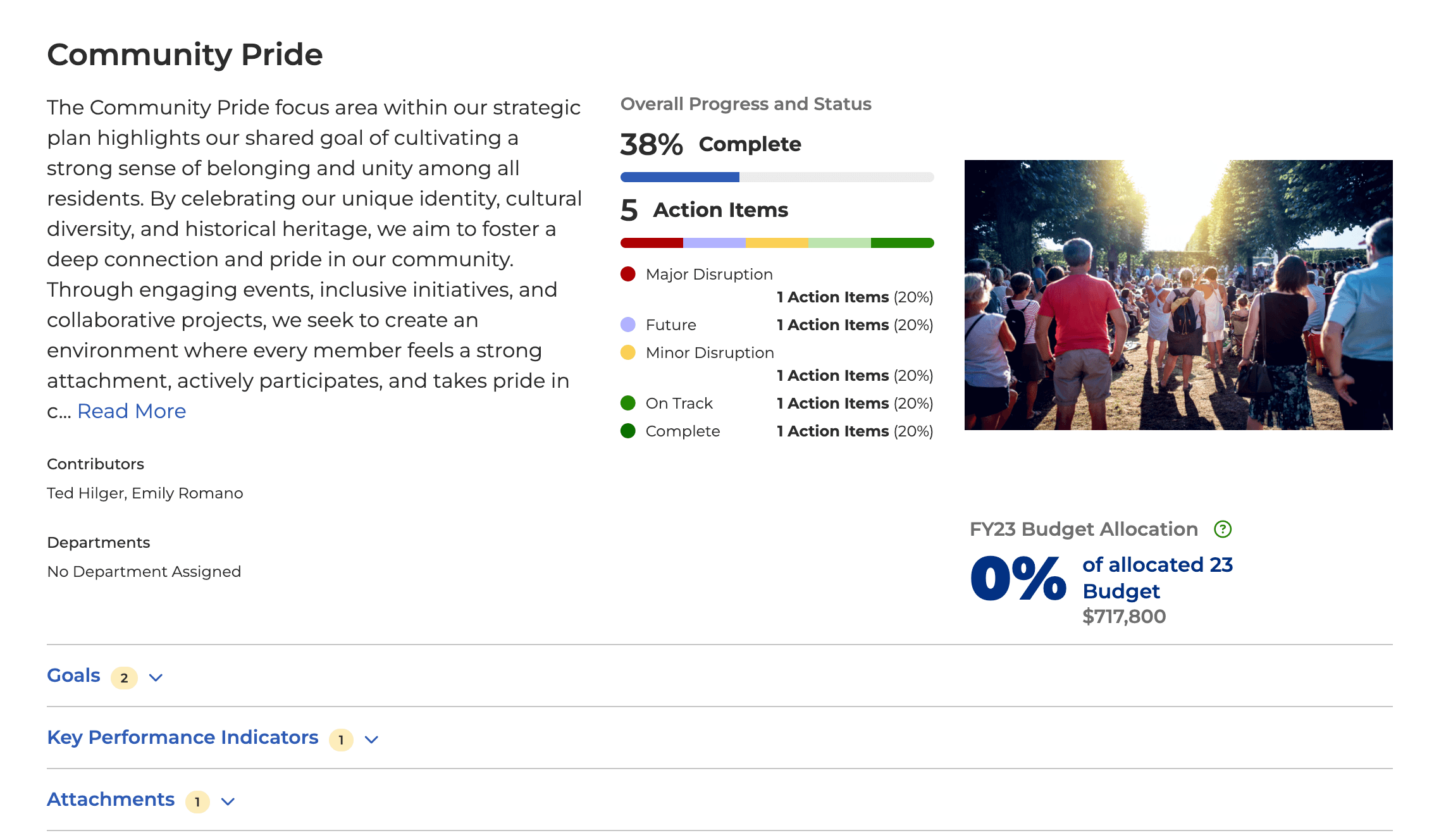
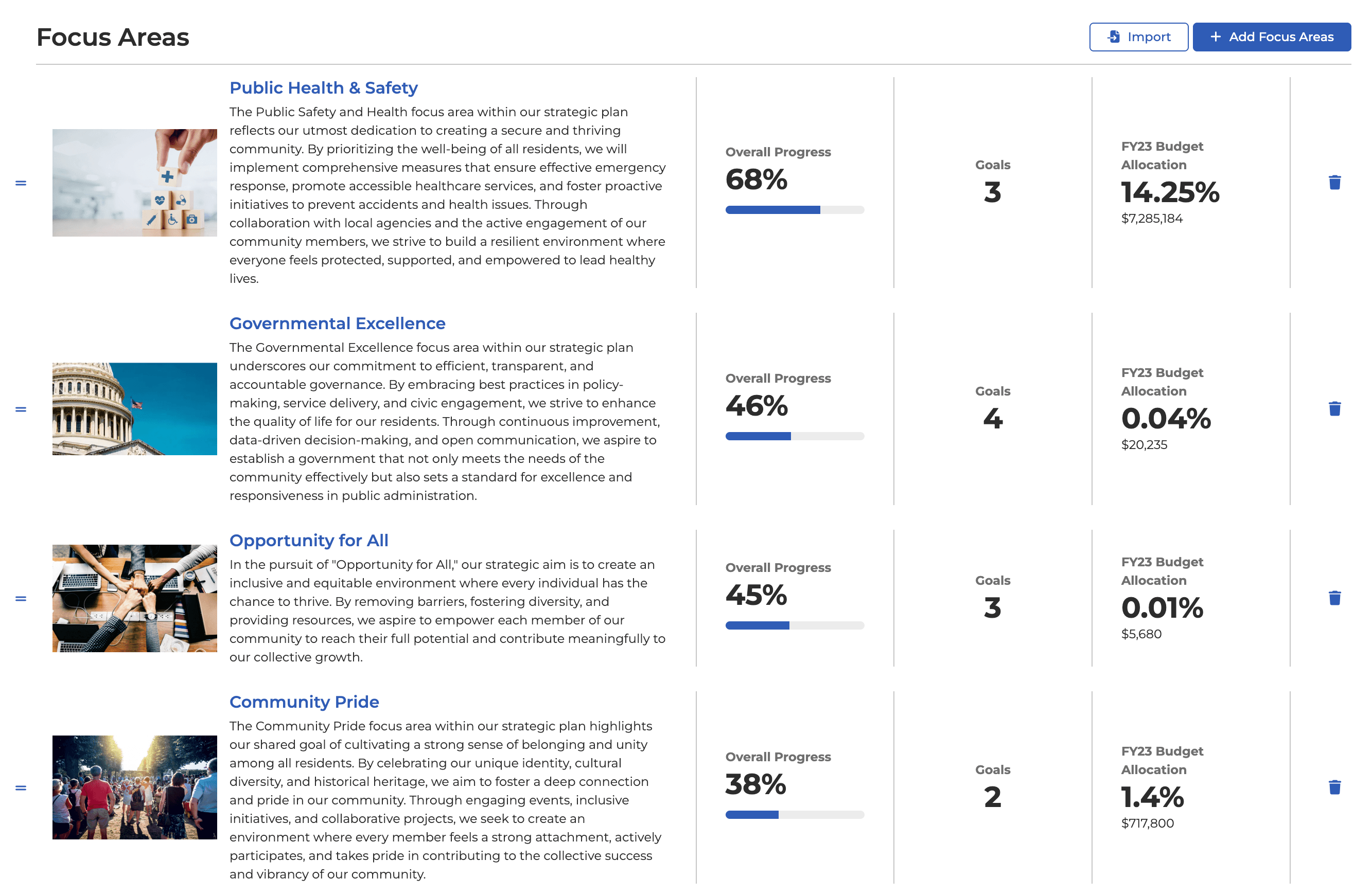
We designed a planning tool that brought those two worlds together. Government teams could build strategic plans, assign action items, track progress in real time, and see directly how budget allocations mapped to their stated goals.
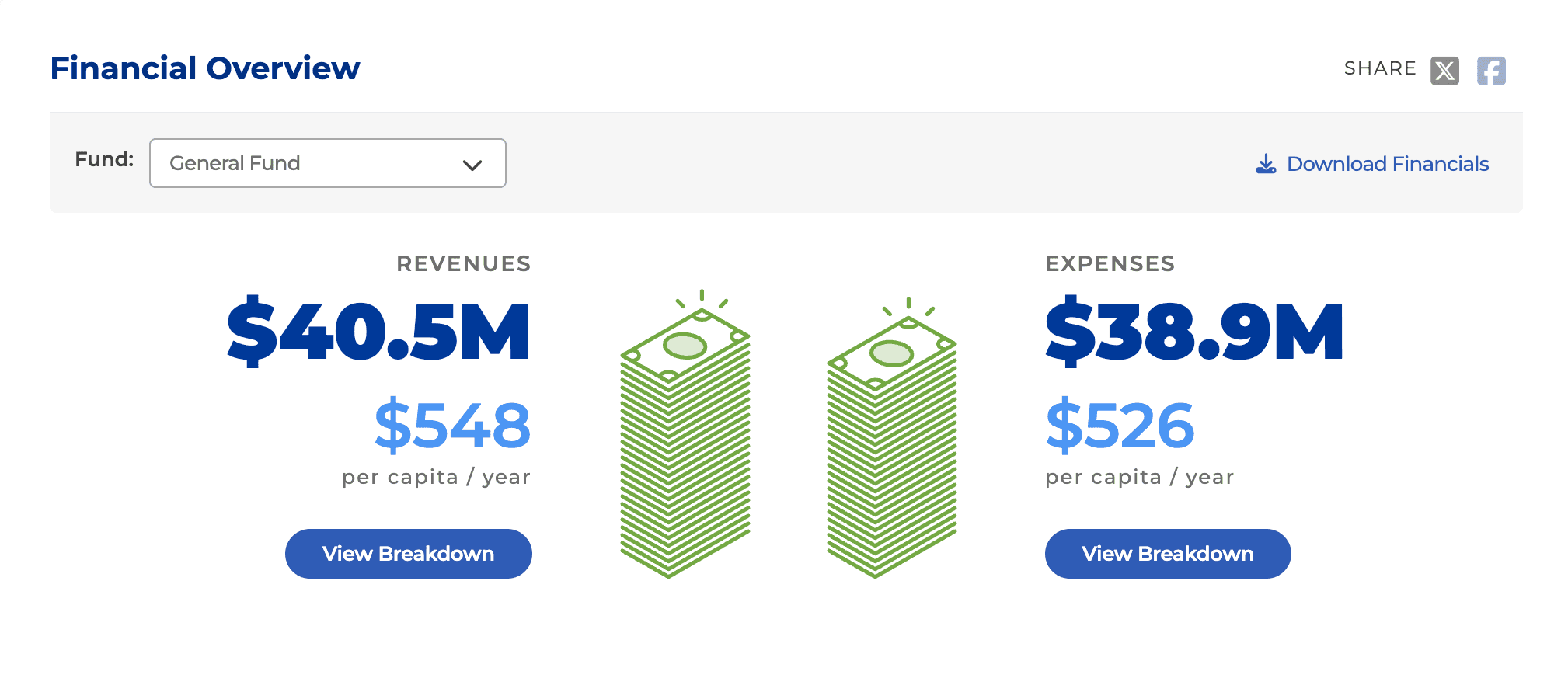
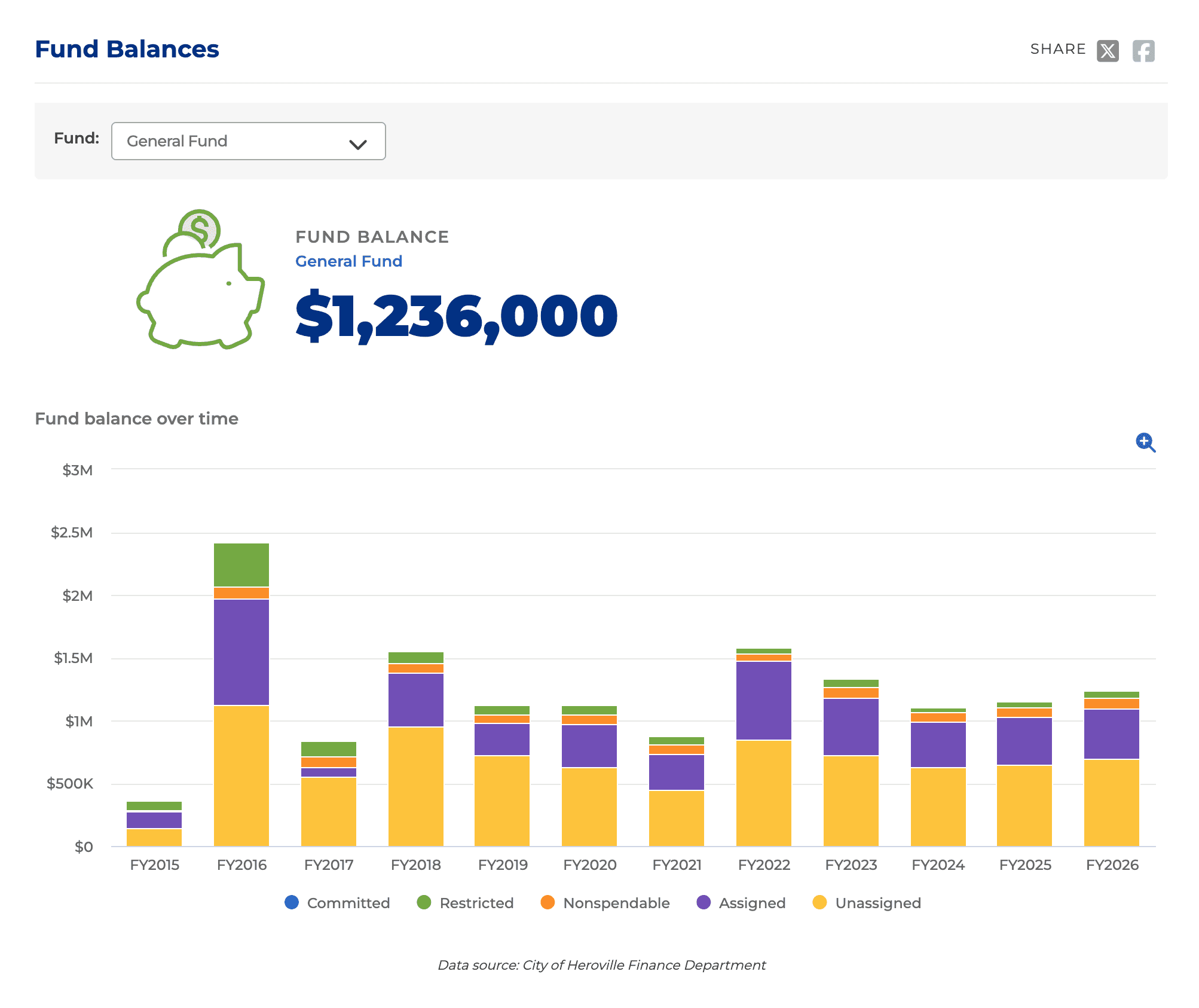
The public-facing output mattered too. Residents and council members needed to see the plan, not just hear about it.
The System Beneath
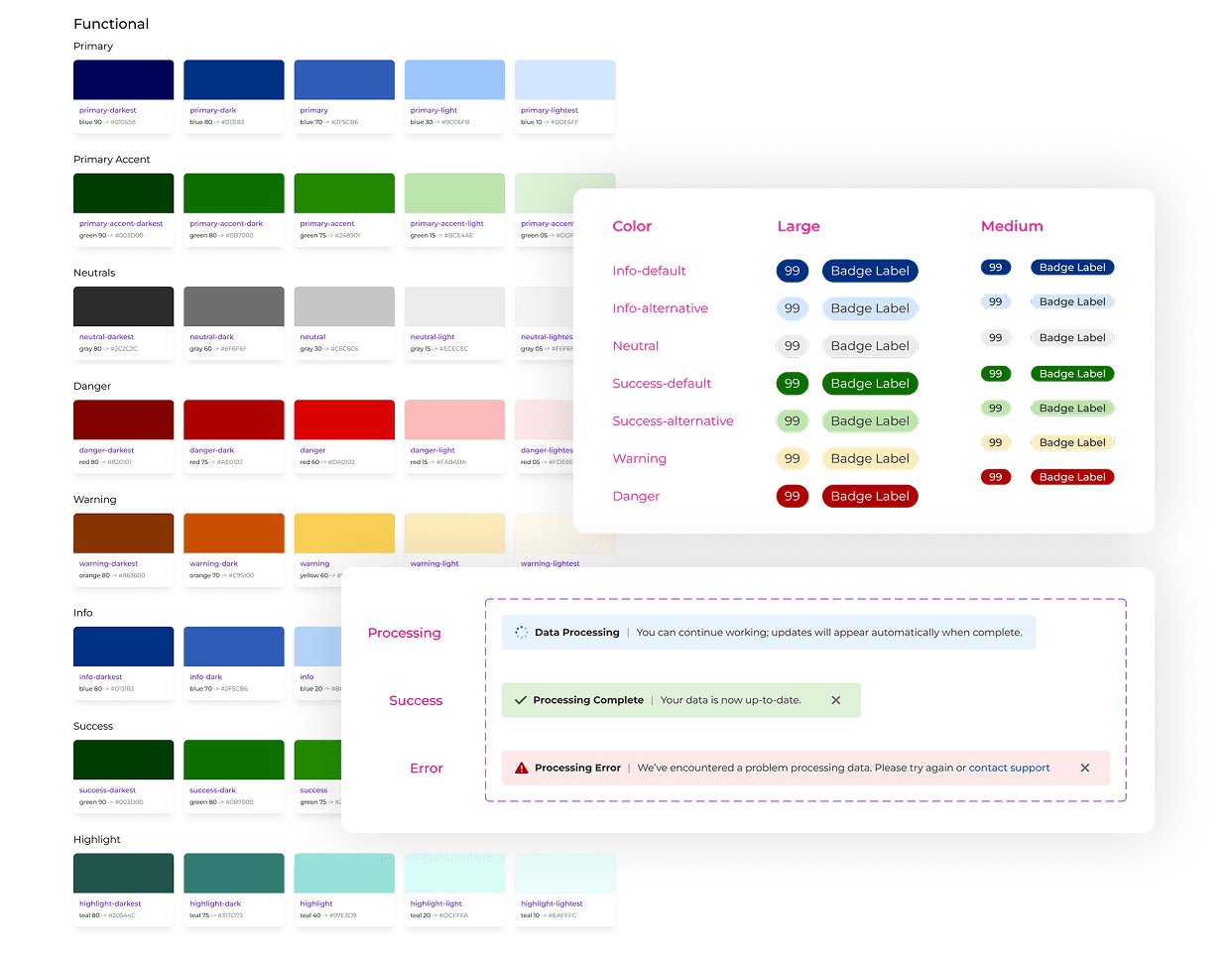
Eight products sharing a common design language doesn't happen by accident. Here's how our design system came to be over time (mistakes and all).
The Trigger
Inconsistency crept in around product number three (the early days). Onboarding flows worked differently from product to product. Components that looked the same in Figma were being built differently in code. Users were relearning interactions they'd already learned. That's when we made the decision to pump the brakes and build something more foundational.
Building It Together
The real shift came when we brought on a lead front-end engineer and started working from atomic design principles together. We weren't just standardizing visuals. We were building shared components that design and engineering both owned. That collaboration changed the quality of what we shipped.
What It Became
Over time the system grew to roughly 50 components and 15 core interaction patterns covering everything from data entry workflows to multi-step approval flows. When new designers joined the team, the system gave them a foundation to build from rather than starting from scratch.
The Growth It Enabled
Five years of building, iterating, and scaling a design system across seven products. Here's what it added up to.
6x
Revenue Growth
Over five years, with design as a consistent part of every product decision along the way.
1,700+
Local Government Entities Served
Cities, towns, and counties across all 50 states managing their budgets and finances on the platform we designed.
29,000+
Public Sector Professionals
Finance directors, budget managers, department heads, and city administrators using the suite throughout their budget cycle.
1 to 5
Design Team Growth
The design system and patterns built in those early years gave new designers a foundation to build from, not a blank slate.